It can be destructive to your property and their health.
No farm owner wants their facility chewed on. It can ruin the structural integrity of the stall or fence, making it weak and potentially dangerous. Horses chew on wood for a variety of reasons! It can easily become a habit and develop into a real issue. You’ll want to formulate a strategy for eliminating this nasty vice. The best course of action is always prevention though!
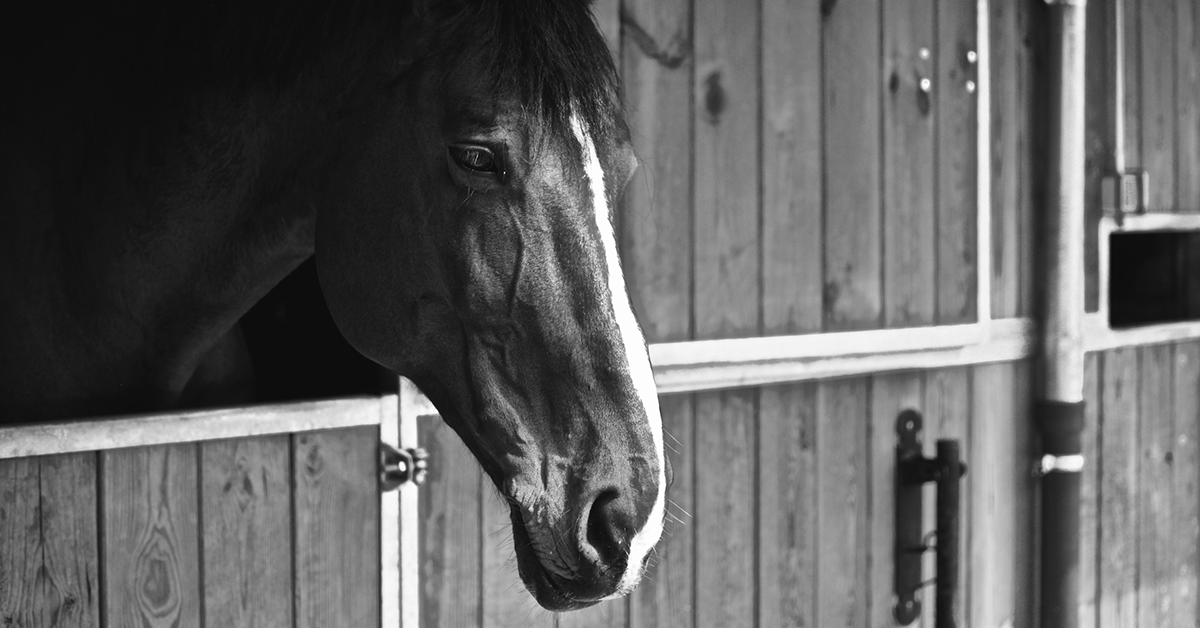
Top Reasons Horses Chew on Wood
- Boredom: Unfortunately, many horses are not offered enough mental or physical stimulation. They’re meant to graze and wander throughout the day. A domesticated horse often spends hours in a stall or small paddock. They don’t have a large field to roam in due to limited space, the weather, or fear of injury. Some horses start chewing wood to alleviate this boredom.
- Their diet is lacking: Dr. Katherine Houpt at Cornell University studies the behavior of horses. She noted that those with diets lacking in long-stemmed fiber like hay or grass chew wood at an increased rate. This included if they were fed pellets instead of hay.
- Habit: For some horses, they’ve developed a habit of chewing on wood. It could have started because of boredom, a deficiency, or they saw another horse doing it. This one won’t be easy to fix!
Cribbing
While it may seem like cribbing is wood chewing, it’s different. When a horse cribs, they lock onto a surface, pull back, arch their neck, and gulp in air. They often do this on a wood board and splitters may come off, but they’re not actually chewing the wood. This is definitely a nasty habit that you’ll want to fix though! Horses often crib for the same reason that other horses chew wood.
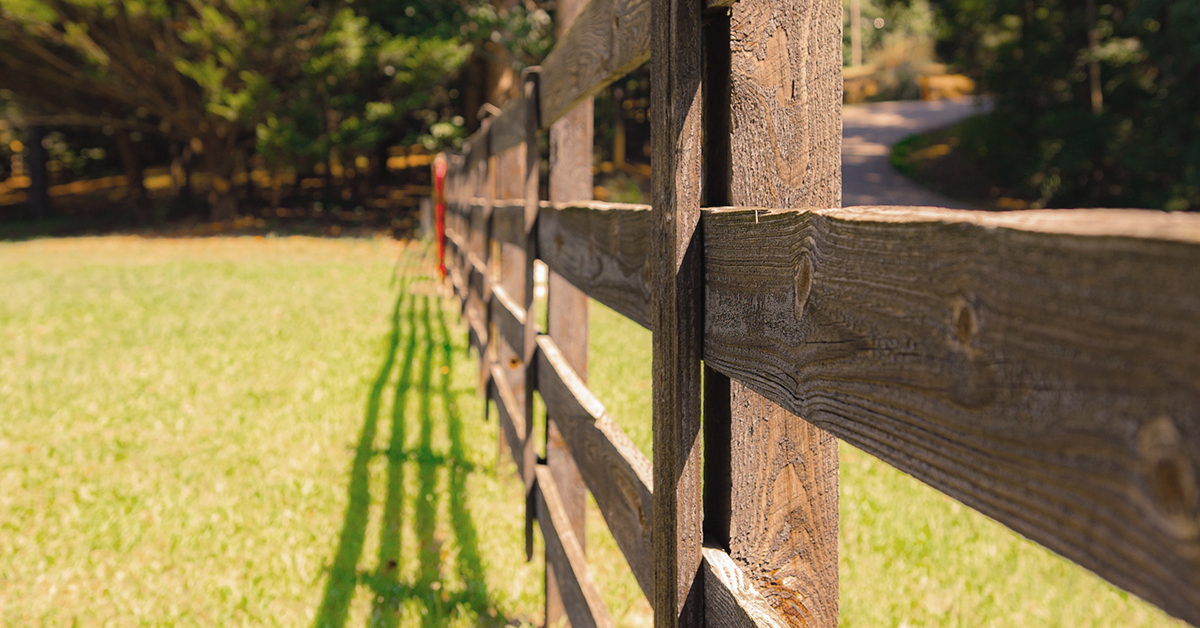
How to Fix the Problem
- Offer your horse more forage in the form of hay or grass. You can even use a slow-feeder hay net to extend their ration.
- Get them outside more. Stalled horses tend to get bored quickly. If you can offer them 24/7 turnout or at least most of the day, then you may improve their mental state.
- Make sure they have other horses to interact with. A lonely horse may chew out of stress or boredom.
- Offer them toys or treats like a jolly ball, hay ball feeder, or stall snack/lick.
- Many horse owners get very creative with enrichment activities. Some include logs for them to walk over, a sand pit, tarp, apple bobbing bucket, and scratching posts.
- A paradise track system can be created on small farms to increase movement.
- Exercise your horse by riding, driving, or lunging them on a regular basis.
- Apply a spray or paste to wood surfaces to make them taste nasty. This will help to deter your horse from wanting to chew.
- Use electric strands to keep your horse away from the wood fencing.
- Put caps or metal/plastic sheets on posts and rails.
- For cribbing, many horse owners utilize cribbing collars to stop the problem.
In some cases, a change to their environment will immediately fix the problem of wood chewing. Not every horse will be a quick fix though! Be prepared to try multiple different methods and even get your vet involved. Once you determine the root cause, the best solution will come easier.
Love this blog post? We think you will enjoy Creating a Safe Environment for Your Horse by Brittany Madonia.