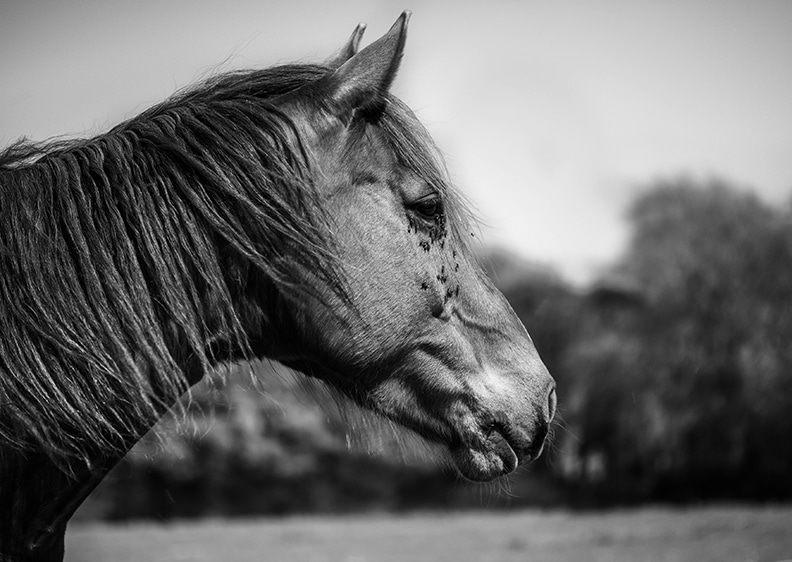
Are you ready for the arrival of warmer weather?
The warm days of summer often bring out lots of insects. On a horse farm, you’ll notice biting flies and gnats, stable flies, black flies, and horse flies to name a few. They can make your horse’s life miserable. Not only can they inflict painful bites, but some even transmit diseases. If you want to protect your horse, then it’s best to come up with a fly prevention plan! You may not be able to eliminate them all, but you can greatly reduce their populations.
Protective Gear

It’s hard to rid your horse farm of all flies. To ensure your horse is comfortable, consider using protective gear to keep any biting insects off of them. There are lots of different products on the market. When deciding on which to purchase, consider the fit and quality of the item.
- Fly masks to cover their eyes and ears
- A fly sheet (some even with neck protection)
- Fly boots for their lower legs
- Fly bonnets and quarter sheets for riding
- Fans in a stall or run-in to keep flies from landing. RAMM offers an 18” indoor/outdoor basket fan with an enclosed motor. These are perfect for barns!
Reducing Fly Populations through Management
An important aspect to managing your horse farm is also reducing fly populations. There are a number of different ways to accomplish this. Manure and wet muck can become a big issue in this fly battle if not handled correctly. Keeping a tidy barn and clean surrounding areas are of the upmost importance.
- Muck stalls and run-in sheds daily
- If able, pick up manure from dry lots and smaller fields
- Drag larger fields, which will break up manure piles and dry them out
- Keep your manure pile away from the barn
- Reduce puddles and standing water
- Clean up spilled grain and seal bins

Traps and Fly Control
The last step in keeping your horse comfortable this bug season is to consider fly control products. These work to repel and eliminate biting insects. For the best results, you’ll have to stick to a plan. You may not notice a big difference until year two or three of using a certain product or method. There are both chemical and alternative options available!
- Feed-through supplements, which prevent larvae from developing in your horse’s manure
- Certain herbs like garlic can be fed to your horse to deter flies
- Fly Predators are beneficial insects that consume fly pupae
- Traps like sticky tape or bait stations can be used around the barn or horse fields
- Fly repellents can be sprayed, wiped, or rubbed onto your horse
- Essential oil sprays can naturally repel insects
Through a combination of management, fly control products, and protective gear, you
should be able to get a firm handle on the fly population at your barn. The main goal is
to make your horse more comfortable this season.